
Brake Repair in San Antonio
Squealing, grinding, or vibration when braking?
Caleb’s Car Care provides mobile brake repair in San Antonio, including brake pad and rotor replacement, brake fluid service, and diagnosis of brake-system concerns.
We come to your home or workplace when your vehicle and location are suitable for mobile service.
Need one axle or a different brake repair? We can quote that too.
Tell us what you’re noticing or what service you need. We’ll explain your estimate and next steps before you approve the work.
Prefer to talk? Call or text 210-570-8477.
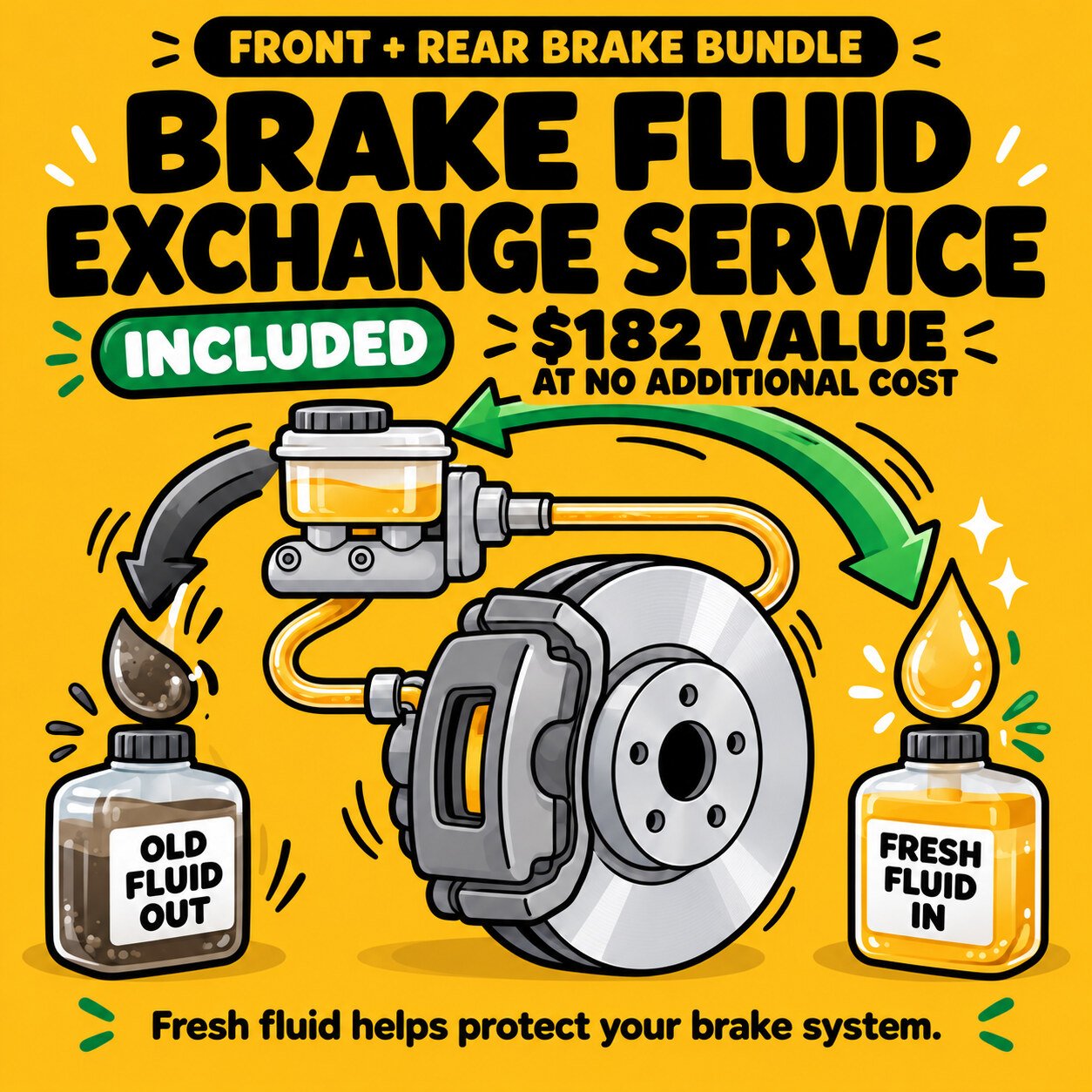
Front + Rear Brake Bundle
Brake fluid exchange included.
A $182 value.
With new shop-supplied pads and rotors installed on both axles.
Vehicle-specific estimate. Additional repairs require separate approval.
Get My Brake Repair Estimate
Tell us about your vehicle, where it is parked, and what you need. We’ll contact you during business hours with availability, a vehicle-specific estimate, and the next steps.
For the bundle, request shop-supplied pads and rotors for both axles. The brake fluid exchange—a $182 value—is included at no additional cost.
Not sure what your brakes need? Describe the noise, vibration, warning light, or pedal concern. Any diagnostic testing is separately quoted and authorized.
Submitting this form is an inquiry, not a confirmed appointment or authorization to begin work.
Prefer to talk? Call or text 210-570-8477.
Explore payment options with Affirm. Eligibility and approval apply.
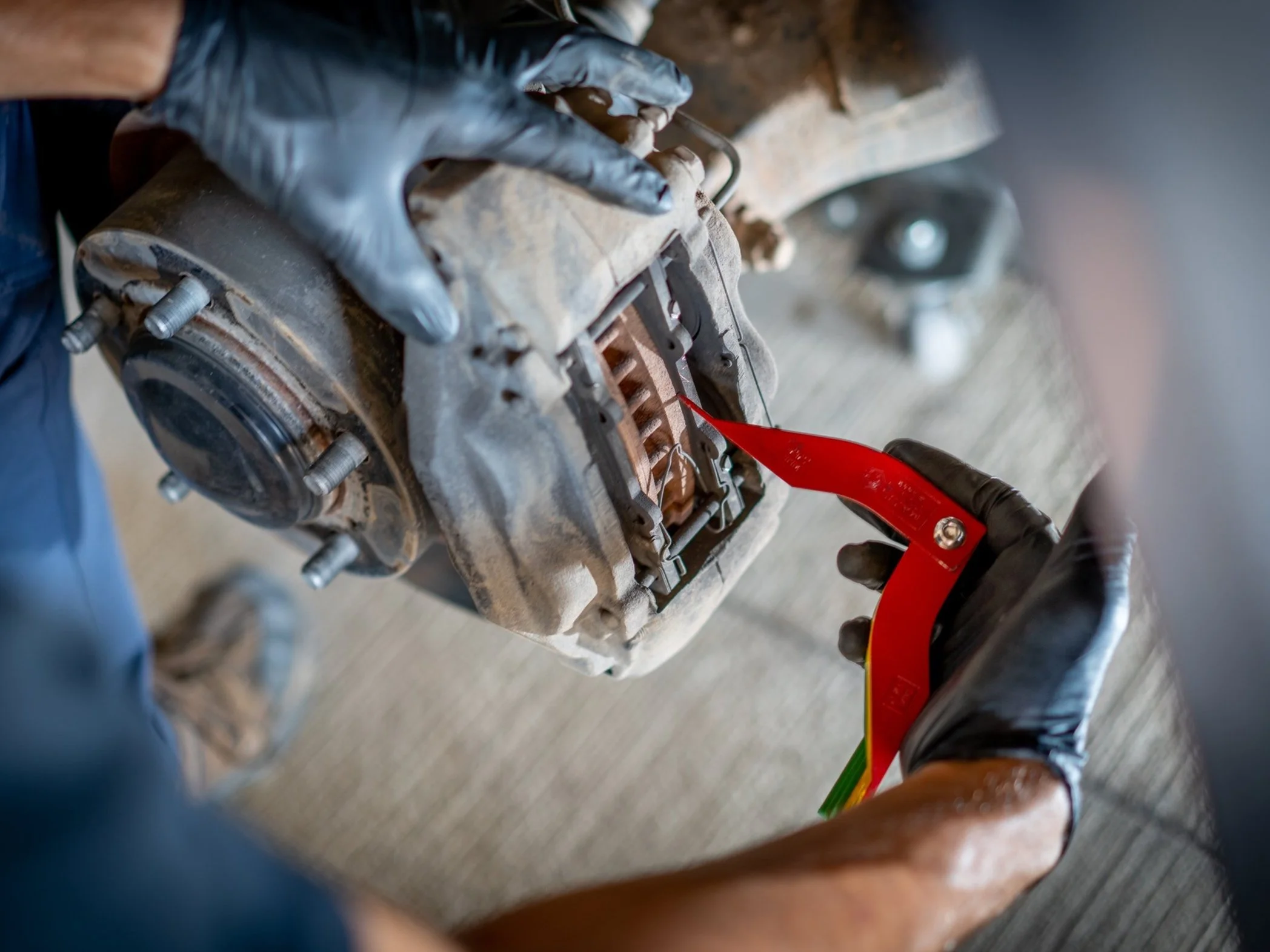
Common Brake Issues We Repair
-
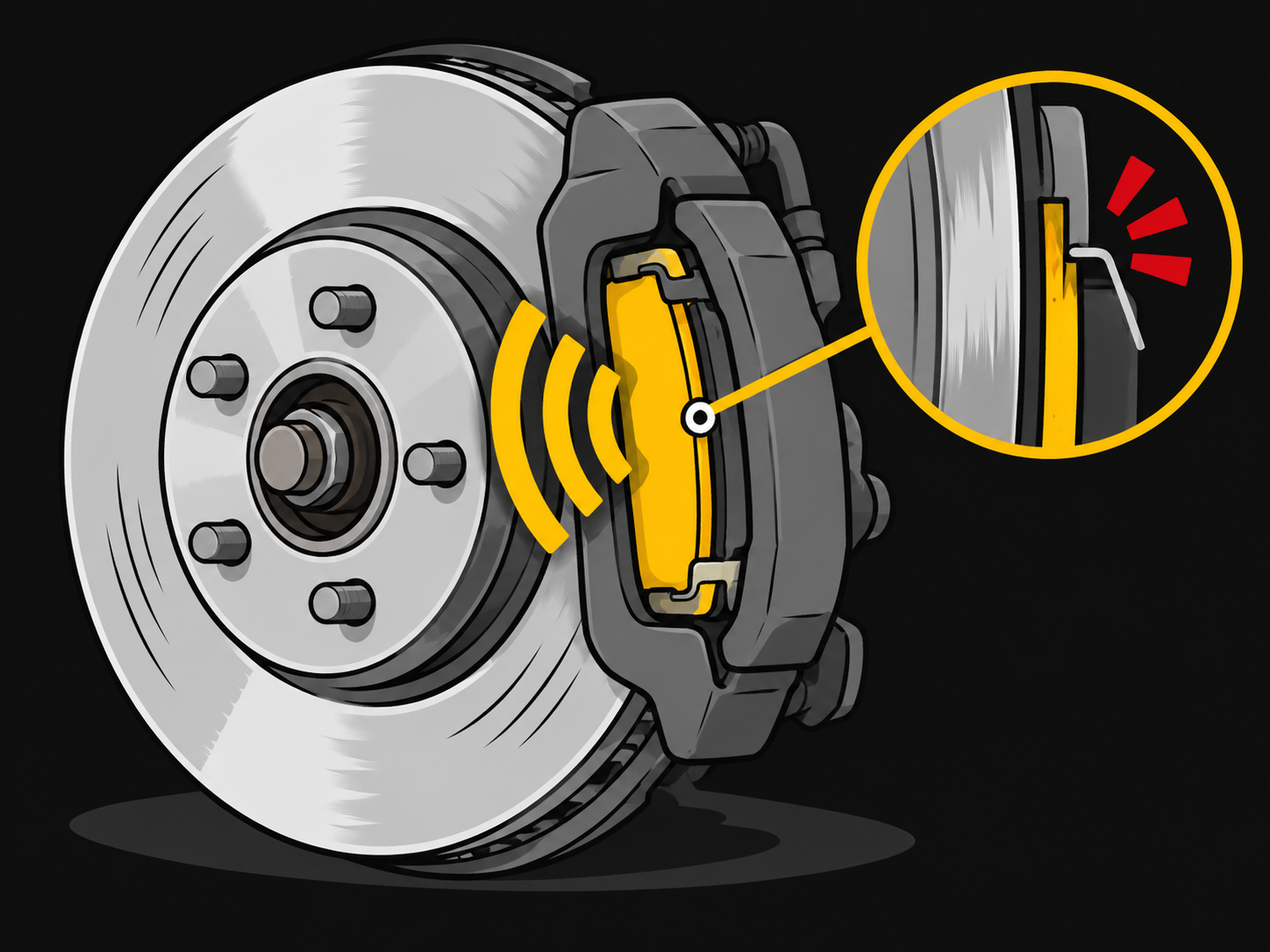
Squealing Brakes
A high-pitched squeal can come from a pad wear indicator, friction material, or brake hardware. Pad thickness, rotor condition, and hardware checks help identify the cause.
-
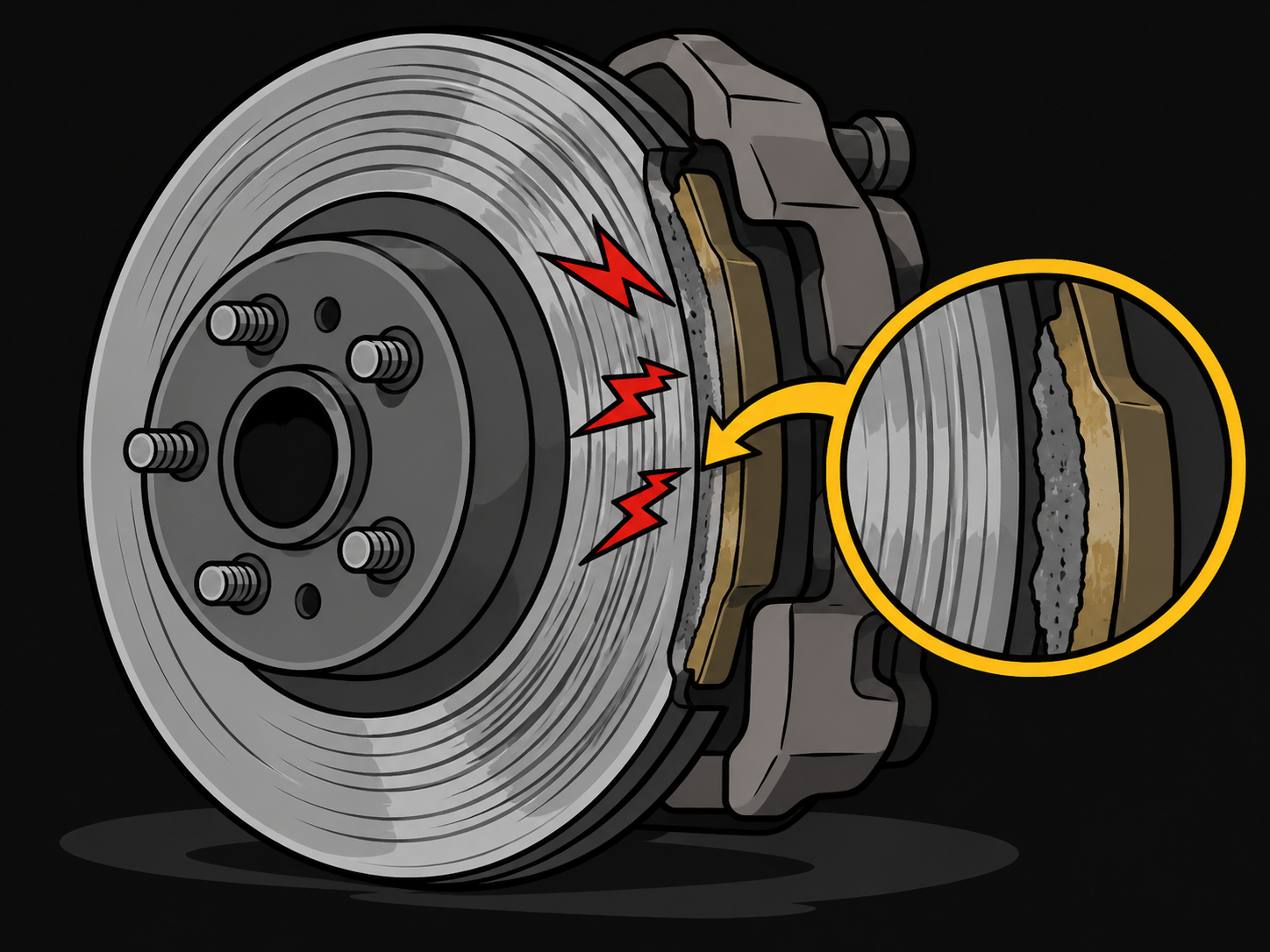
Grinding Brakes
Grinding can mean worn pads are contacting the rotor, but other faults can make similar sounds. Prompt attention can help prevent further damage to pads, rotors, and related components.
-

Vibration When Braking
Steering wheel shake, pedal pulsation, or vibration through the seat can point to a brake concern. Tell us where you feel it so we can guide the inspection of rotors and related components.
-
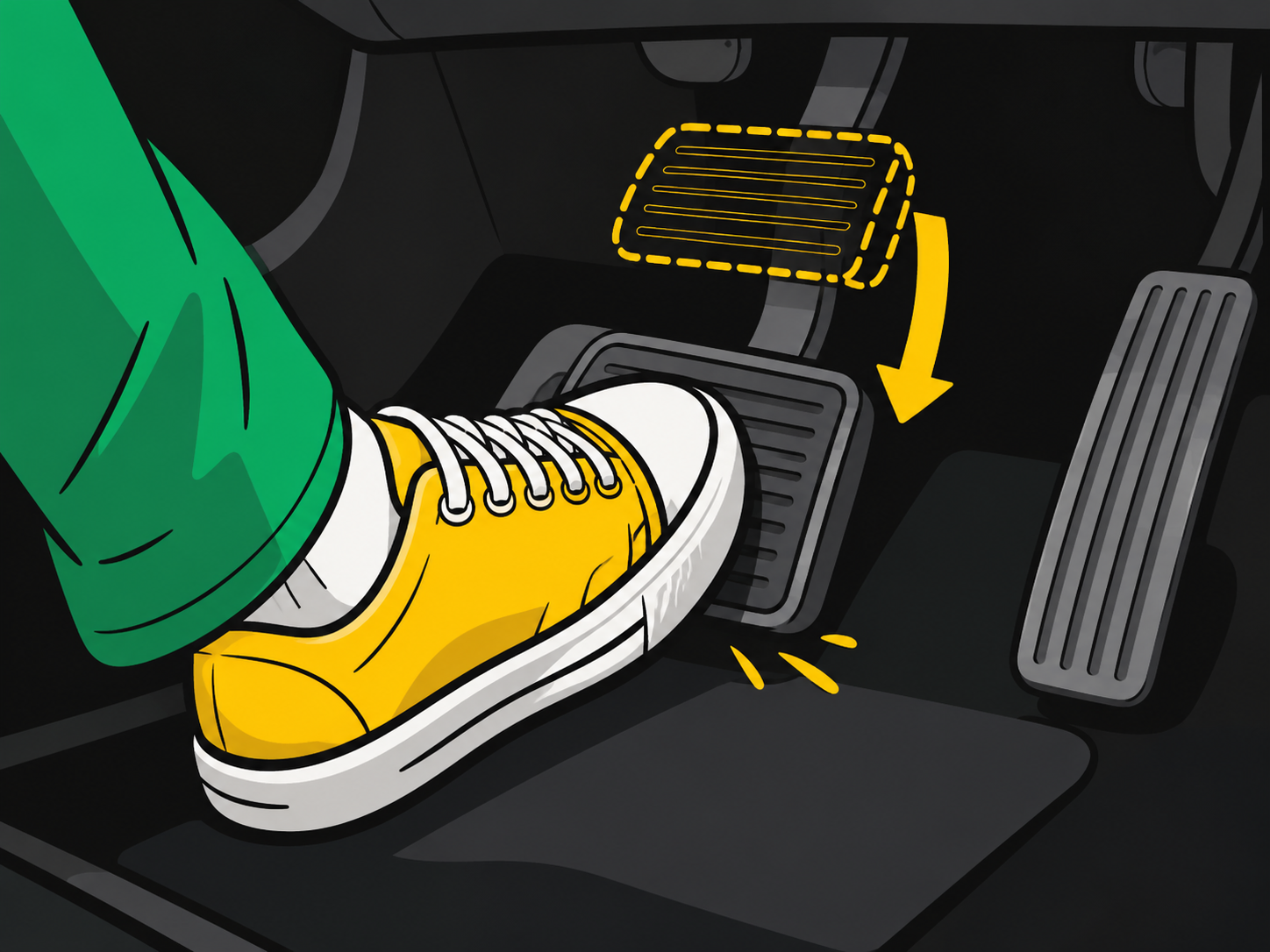
Soft or Spongy Brake Pedal
A soft pedal or unusually long pedal travel may involve air, leaks, or a hydraulic fault. Brake fluid, hoses, lines, calipers, and other hydraulic components may need testing.
-
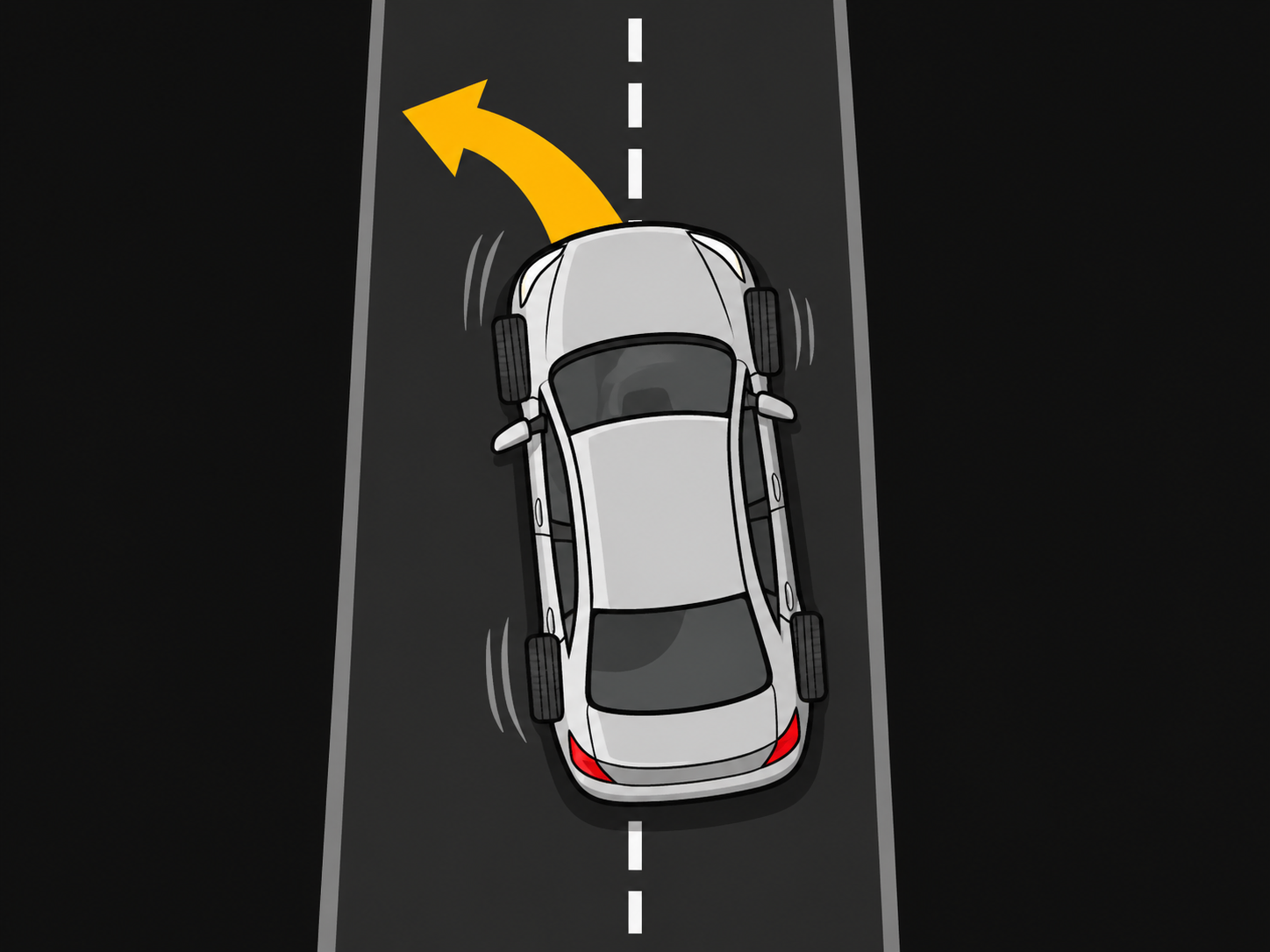
Vehicle Pulls When Braking
Pulling left or right can involve uneven braking, a sticking caliper, a restricted hose, or a tire or suspension concern. We check the cause before recommending a repair.
-
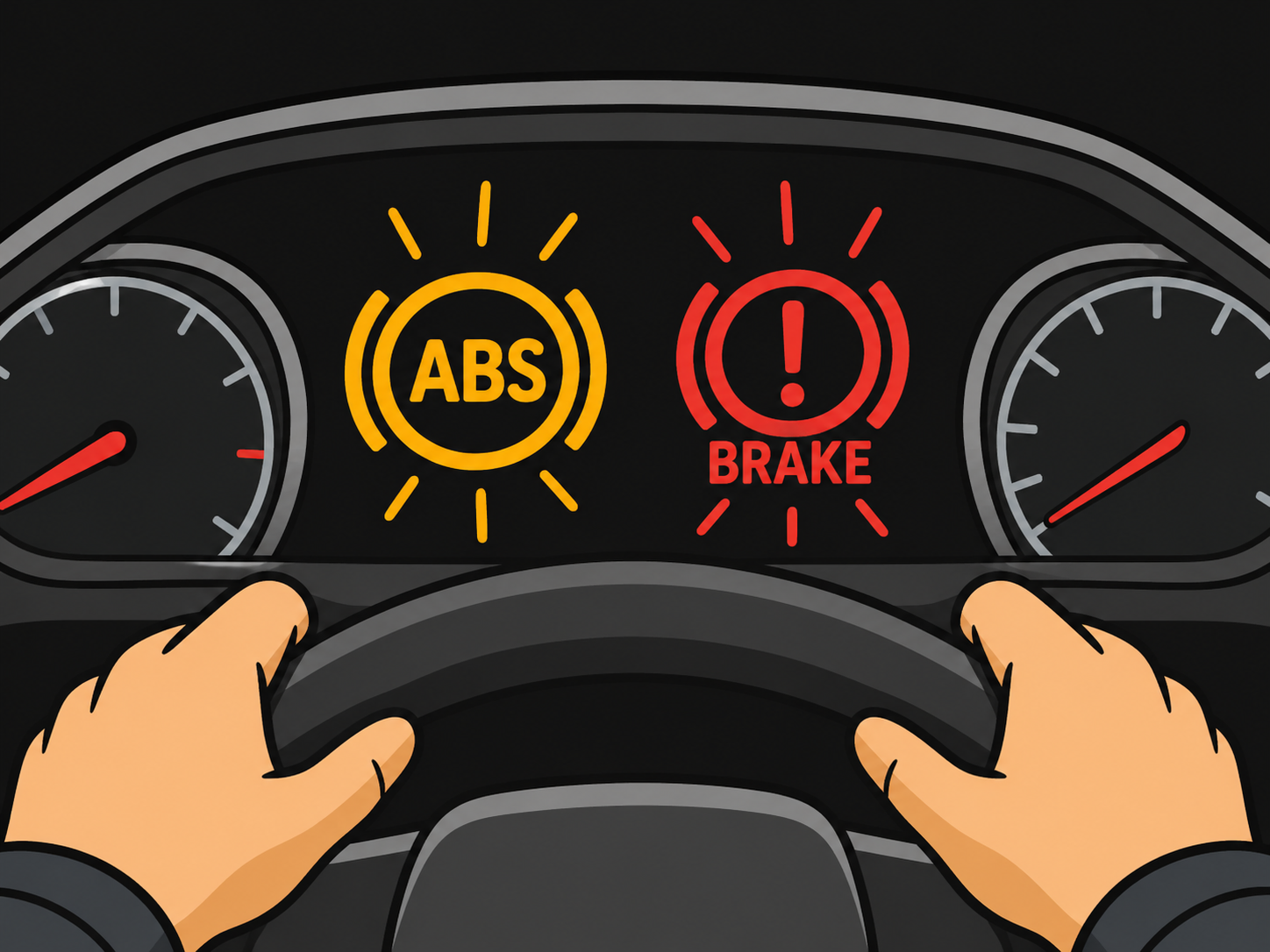
Brake or ABS Warning Lights
A warning light can relate to brake fluid level, the parking brake, wheel-speed sensors, or another system fault. Authorized diagnostic testing helps determine what the vehicle needs.
What Happens After You Submit
1. We review your request. We confirm your vehicle, brake concerns, location, and availability.
2. You approve the estimate. We explain the work and charges. Diagnostic testing requires separate authorization.
3. We confirm your appointment. Estimate approval, any required deposit, and a safe work location come first.
4. We complete the authorized repair. We perform quality checks and explain the results and next steps.
Mobile Brake Repair That Fits Your Day
For qualifying repairs, Caleb’s Car Care brings brake service to your home or workplace in San Antonio. Tell us what your brakes are doing and we’ll confirm the right next step.
The Other Guys
A traditional repair-shop visit
❌ A trip to a repair facility
❌ Drop-off and pickup arrangements
❌ Waiting-room time or another ride
❌ Planning your day around a shop visit
Caleb’s Car Care
For qualifying mobile brake repairs
✅ We come to your home or workplace
✅ A local San Antonio mechanic team
✅ A vehicle-specific estimate before work
✅ Fluid exchange included with the qualifying front-and-rear bundle
What Your Brake Service Includes
Your approved estimate identifies the brake parts, labor, and fluid service for your vehicle.
We match the work to the vehicle’s condition and the service you authorize. Calipers, hoses, brake lines, parking brake components, and other additional repairs are quoted separately when needed.
🛞 Brake Pads and Rotors
For shop-supplied repairs, we use ceramic pads and high-carbon rotors where suitable for the vehicle’s application. The qualifying front-and-rear bundle includes new pads and rotors on both axles.
🔧 Hardware and Related Components
Authorized brake service includes applicable hardware and slide-pin checks. If we identify another repair need, we explain it and obtain your approval before adding work.
💧 Brake Fluid Service
A brake fluid exchange is included at no additional cost with the qualifying shop-supplied front-and-rear pad-and-rotor bundle. We use fluid that meets the vehicle manufacturer’s requirements and the required bleeding procedure, including ABS-specific steps when applicable.
✅ Installation and Quality Checks
We perform torque-to-spec installation and applicable verification of the authorized repair. Functional checks and road testing are completed when safe and appropriate. Qualifying shop-supplied repairs receive our one-year parts and labor warranty under the written terms.
Common Questions
-
The offer applies when Caleb’s Car Care supplies and installs brake pads and rotors on both the front and rear axles. The brake fluid exchange is included at no additional cost with that qualifying bundle. A vehicle-specific estimate and suitable vehicle condition are required.
-
We can quote one-axle repairs separately. Pads-only service depends on whether the existing rotors and related components are suitable for reuse. These jobs do not qualify for the bundle’s included brake fluid exchange.
-
We accept customer-supplied parts for qualifying repairs under our Customer-Supplied Parts Terms and Conditions. Select “Yes” on the form and complete the acknowledgment. Customer-supplied jobs do not qualify for the shop-supplied brake bundle offer.
-
Common glycol-based brake fluids absorb moisture over time. Moisture can reduce the fluid’s boiling point and contribute to corrosion. We follow the vehicle manufacturer’s fluid requirements and service guidance rather than applying one interval to every vehicle.
A fluid exchange services the braking system; it is not a separate front-axle flush and rear-axle flush. Fluid service can also be quoted on its own. It does not replace diagnosis of a soft pedal, leak, or another brake fault.
-
Yes, for qualifying jobs in San Antonio and nearby service areas. We confirm that the vehicle, access, working space, and repair procedure are suitable for mobile service before scheduling. Some conditions require a shop or transportation.
-
No. We do not resurface rotors. We recommend replacement when inspection and measurements show that rotors are worn, damaged, or outside the applicable specifications.
-
Many pad-and-rotor jobs take about 60–120 minutes per axle. The vehicle, fluid service, rust, damaged hardware, or other necessary repairs can change the time required. We discuss the expected scope and timing for your appointment.
-
Submitting the form is an inquiry. Diagnostic testing is a separate service with charges and scope approved before testing begins. We explain when testing is needed and identify any expressly approved diagnostic credit in writing.
-
Qualifying repairs for which Caleb’s Car Care supplies both parts and labor receive our standard one-year parts and labor warranty under the applicable written terms. Customer-supplied parts follow the separate installation-guarantee terms. See the legal page for the applicable service terms.
-
No. We contact you to confirm availability, the estimate, and the next steps. An appointment requires our confirmation, approval of the applicable estimate, and any required deposit. Work begins only after the applicable scope and charges are authorized.